|
|
|
|
|
|
|
|
|
|
|
|
|
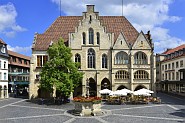
Sur la Place du Marché Clic ! Auf dem Markplatz Klick ! At the Market Place Clic !
|
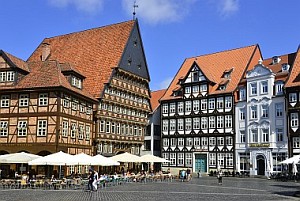
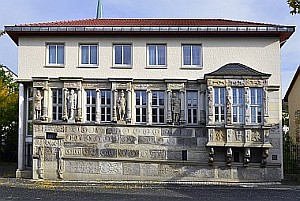
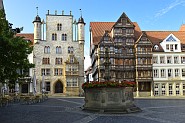
La "nouvelle" Place du Marché avec l'hôtel de ville, la Maison du Temple, la Maison Wedekind et la Maison des Bouchers en 160 photos
Der "neue" Markt mit dem Rathaus, dem Tempelhaus, dem Wedekindhaus und dem Knochenhaueramtshaus in 160 Fotos
The "new" Market Place with the Town Hall, the Wedekind House, the Temple House and the Butchers' Guildhouse in 160 photos
|
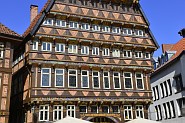
La Maison corporative des Bouchers en 230 photos Clic ! Das Knochenhaueramtshaus in 230 Fotos Klick ! The Butchers' Guildhouse in 230 photos Clic !
|
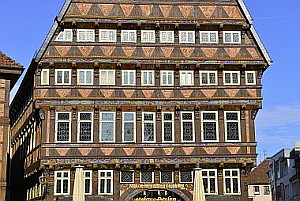
La Maison corporative des Bouchers de 1529 et reconstruite de 1983 à 1989 dans ses moindres détails
Das Knochenhaueramtshaus von 1529 und wieder- aufgebaut von 1983 bis 1989 bis in die kleinsten Einzelheiten
The Butchers' Guildhouse built 1529 und rebuilt from 1983 to 1989 in the smallest details
|
Oriel renaissance de la Maison du Temple Clic ! Renaissance-Erker des Tempelhauses Klick ! Renaissance baywindow of the Temple House Clic !
|
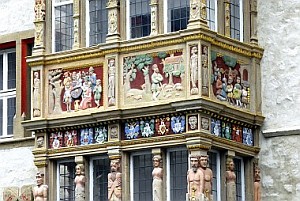
L'oriel renaissance de 1591 dans ses moindres détails en 94 photos
Der Renaissance Erker von 1591 bis in die kleinsten Details in 94 Fotos
The Renaissance baywindow from 1591 in the smallest details in 94 photos
|
Maison Wedekind sur la Place du Marché Clic ! Wedekindhaus am Markt Klick ! Wedekind House at the Market Place Clic !
|
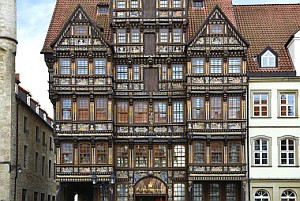
La Maison Wedekind de 1598 reconstruite de 1984 à 1986 dans ses moindres détails en 160 photos
The Wedekindhaus von 1598 und wiederaufgebaut von 1984 bis 1986 bis in die kleinsten Details in 160 Fotos
The Wedekind House built 1598 and rebuilt from 1984 to 1986 in the smallest details in 160 photos
|
La Maison des Empereurs en 168 photos Clic ! Das Kaiserhaus in 168 Fotos Klick ! The Emperors' House in 168 photos Clic !
|
Les restes de Maison des Empereurs de 1586 intégrés dans la nouvelle façade en 1998 dans les moindres détails
Die Teile des Kaiserhauses von 1586 wurden 1998 in die neue Fassade integriert bis in die kleinsten Details
The parts of the Emperor's House from 1586 were in 1998 incorporated in the new facade in the smallest details
|
À la Godehardplatz et dans l'Hinterer Brühl Clic ! Am Godehardplatz und im Hinteren Brühl Klick ! At the Godehardplatz and in the Hinterer Brühl Clic !
|
Découverte des maisons de ce quartier préservé du bombardement de mars 1945
Entdeckung der Häuser dieses Stadtviertels, das im März 1945 nicht zerstört wurde
Discovery of the houses of this quarter, which was not destroyed in March 1945
|
Autour du Brühl en 105 photos Clic ! Um den Brühl in 105 Bildern Klick ! Around the Brühl in 105 photos Clic !
|
Promenade dans le Brühl, la Gelber Stern avec la Maison de l'Armurier de 1548 et le long du Fossé des Moulis
Spaziergang durch den Brühl, den Langen Stern mit dem Haus des Waffenschmiedes (1548) und am Mühlengraben
Walk through the Brühl, the Langer Stern with the Armourer's House (1548) and along the Mill Race
|
La Maison Werner en 260 photos Clic ! Das Wernerhaus in 260 Fotos Klick ! The Werner House in 260 photos Clic !
|
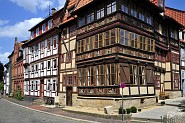
Cette merveilleuse maison à colombage renaissance de 1606 présentée dans ses moindres détails
Diese wunderschöne Renaissance Fachwerkhaus von 1606 bis in die kleinsten Details
The wonderful Renaissance half-timbered house from 1606 in the smallest details
|
Autour de la Ville Neuve en 123 photos Clic ! Um die Neustadt in 123 Fotos Klick ! Around the New Town in 123 photos Clic !
|
Au Kehrwieder et à travers la Keßlerstraße, la Knollenstraße, au Lappenberg et Fontaine des Chats
Am Kehrwieder und durch die Keßlerstraße, die Knollenstraße, am Lappenberg und Katzenbrunnen
At Kehrwieder and through the Keßlerstraße, the Knollenstraße, at the Lappenberg and Cat's Fountain
|
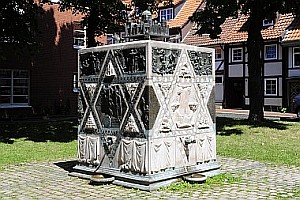
Monument de la Synagogue au Lappenberg Clic ! Synagogendenkmal am Lappenberg Klick ! Synagoge Monument at the Lappenberg Clic !
|
Le monument de la Synagogue au Lappenberg dans ses plus petits détails
Das Synagogendenkmal am Lappenberg bis in die kleinsten Details
The Synagoge Monument at the Lappenberg to the last details
|
Au bord de l'Innerste en 88 photos Clic ! An der Innerste in 88 Bildern Klick ! At the Innerste River in 88 photos Clic !
|
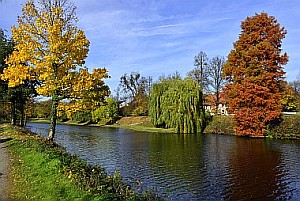
Le long du Langeliniengraben et de la rivière Innerste
Entlang des Langeliniengrabens und der Innerste
Along the Langeliniengraben and the Innerste River
|
Au musée Roemer Pelizaeus et au Pfaffenstieg Clic ! Am Roemer-Pelizaeus-Museum und Pfaffenstieg Klick ! At the Roemer Pelizaeus Museum and Pfaffenstieg Clic !
|
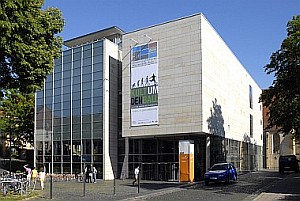
Autour du musée Roemer Pelizaeus, dans le Pffafenstieg, dans l'Hückedahl et à l'Alter Markt
Um das Roemer-Pelizaeus-Museum, im Pfaffenstieg, im Hückedahl und am Alten Markt
Around the Roemer Pelizaeus Museum, in the Pfaffenstieg, in the Hückedahl and at the Alter Markt
|
Rues, Vieille Monnaie, art et vues de ville Clic ! Straßen, Alte Münze, Kunst und Blicke Klick ! Streets, Old Mint, art and views Clic !
|
À travers quelques rues, sur l'Andreasplatz, art et vues sur la ville
Durch einige kleine Straßen, am Andreasplatz, Kunst und Blicke auf die Stadt
Through a few streets, at the Andreasplatz, art and views to the town
|
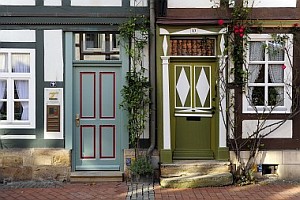
Vieilles portes en bois Clic ! Alte Holztüren Klick ! Old wooden front doors Clic !
|
Vieilles portes en bois
Alte Holztüren
Old wooden front doors
|
Autour de la cathédrale Clic ! Um den Hildesheimer Dom Klick ! Around the cathedral Clic !
|
Découverte des remparts de Bernward, de la Porte Puante, de la cour de l'évêché, des maisons canoniales et de l'ancien bâtiment gouvernemental
Entdeckung der Bernwardsmauer, der Stinekenpforte, des Domhofes, der Kurien der Domherren und des ehemaligen Regierungsgebäude
Discovery of the Bernward's Wall, the Stinking Gate, the cathedral inner courtyard, the canon's houses and the former government building
|
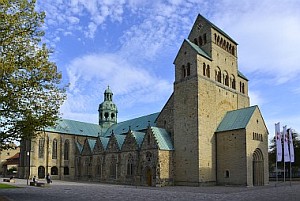
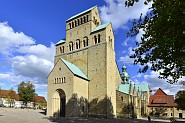
Cathédrale Sainte-Marie en 1000 photos Clic ! Hildesheimer Dom in 1000 Fotos Klick ! St. Mary's Cathedral in 1000 photos Clic !
|
La cathédrale catholique Sainte-Marie (XIe-XVe), patrimoine mondial de l'UNESCO avec ses portes de bronze et la Colonne du Christ dans ses moindres détails
Der katholische Mariendom (11.-15.Jht), UNESCO Weltkulturerbe, mit seinen Bernwardstüren und seiner Christussäule bis in die kleinsten Details
The Catholic Cathedral of Hildesheim (11.-15th century), UNESCO World Heritage with the Bernward Bronze Doors and the Christus Column in the smallest details
|
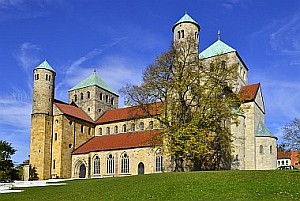
Abbatiale Saint-Michel en 660 photos Clic ! Gottesburg St. Michael in 660 Fotos Klick ! St. Michael's Collegiate Church in 660 photos Clic !
|
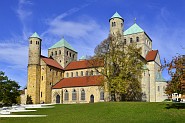
L'édifice ottonien (XIe-XIVe), patrimoine mondial de l'UNESCO avec son célèbre plafond roman peint dans ses moindres détails
Der ottonische Bau (11.-14.Jht), UNESCO Weltkulturerbe mit seinem berühmten romanischen Deckenbild bis in die kleinsten Details
The Ottonian building (11.-14th century), UNESCO World Heritage with its famous Romanesque nave ceiling in the smallest details
|
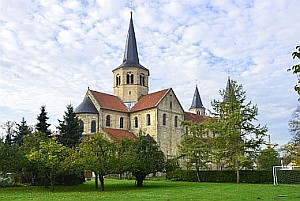
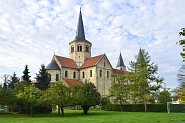
Basilique catholique Saint-Gothard en 400 photos Clic ! Katholische Basilika St. Godehard in 400 Fotos Klick ! St. Gotthard's Catholic Church in 400 photos Clic !
|
La basilique romane Saint-Gothard (XIIe) avec ses merveilleux chapiteaux dans ses moindres détails
Die romanische Basilika St. Godehard (12.Jht) mit ihren wunderschönen Kapitellen bis in die kleinsten Details
The Romanesque St. Gotthard's Basilica (12th century) with the wonderful capitals in the smallest details
|
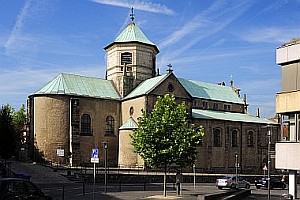
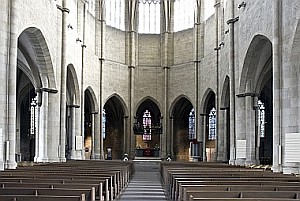
Église Sainte-Croix en 155 photos Clic ! Kreuzkirche in 155 Fotos Klick ! Church of Holy Cross in 155 photos Clic !
|
L'église catholique Sainte-Croix (XIe-XVIIIe), un mélange architecturale de roman, gothique et baroque en détails
Die Kreuzkirche (11.-18.Jht), eine architektonische Mischung aus Romanik, Gotik und Barock in Details
The Catholic Church of Holy Cross (11.-18th century) Romanesque - Gothic - Baroque in details
|
Église protestante Saint-André en 120 photos Clic ! Zeitgenössische Kunst und Denkmäler Klick ! Contemporary art and monuments Clic !
|
L'église gothique Saint-André (XIVe-XVe) en détails
Die gotische St. Andreaskirche (14.-15.Jht) in Details
The Gothic St. Andrew's Church (14.-15.Jht) in details
|
Église catholique Sainte-Madeleine en 150 photos Clic ! Katholische Pfarrkirche St. Magdalenen in 150 Fotos Klick ! St. Magdalene's Catholic Church in 150 photos Clic !
|
L'abbatiale (vers 1230) avec son célèbre autel des Frères Elfen et la châsse reliquaire de Saint Bernward en détails
Die St. Magdalenenkirche (um 1230) mit dem berühmten Elfenaltar und dem Reliquiarschrein des hl. Bernwards
The St. Magdalene's Church (around 1230) with the famous Elfen Altar and the Reliquary of St. Bernward
|
Collégiale catholique Saint-Maurice en 90 photos Clic ! Katholische St. Mauritiuskirche in 90 Fotos Klick ! St. Maurice's Catholic Church in 90 photos Clic !
|
L'église Saint-Maurice (XIe-XVIIIe) avec son intérieur baroque et son cloître en détails
Die Moritzkirche (11.-18.Jht) mit ihrem barocken Inneren und ihrem Kreuzgang in Details
The St. Maurice's Church (11.-18th century) with the Baroque interior and the cloister in details
|
Église protestante Saint-Lambert Clic ! Evangelische St. Lambertikirche Klick ! St. Lambert's Protestant Church Clic !
|
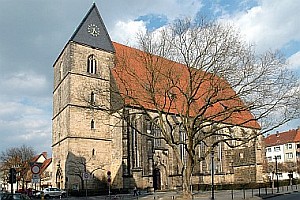
L'église Saint-Lambert (XVe) de la Ville Neuve
Die St. Lambertikirche (15.Jht) der Neustadt
The St. Lambert's Church (15th century) of the new town
|
Église du Séminaire et Maison des Chartreux Clic ! Seminarkirche und Karthaus Klick ! Seminary Church and Chartreuse Clic !
|
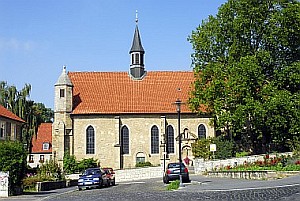
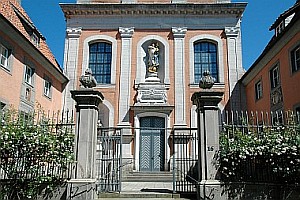
Photos extérieures de l'église du Séminaire (1772), de la Chartreuse (1659) et de l'ancienne église dominicaine
Außenaufnahmen der barocken Seminarkirche (1772), des Karthauses (1659) und der ehem. Dominikanerkirche
External shots of the Baroque Seminary Church (1772), the Chartreuse (1659) and the former Dominican church
|
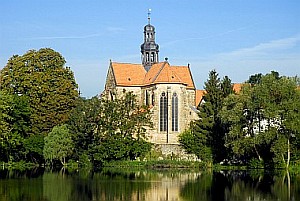
Couvent Marienrode et abbatiale Saint-Michel Clic ! Kloster Marienrode und Klosterkirche St. Michael Klick ! Nunnery Marienrode and St. Michael's Church Clic !
|
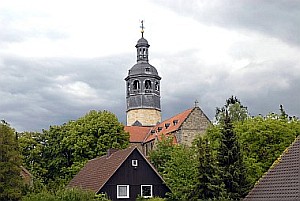
Le couvent Marienrode et l'église catholique Saint-Michel
Das Kloster Marienrode und die Klosterirche St. Michael
The nunnery Marienrode and the St. Michael's Church
|
|
|
|
|
|
|
|
|
|
|
|
|